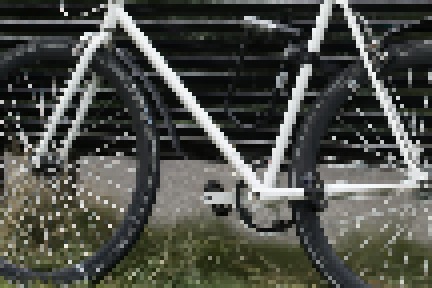
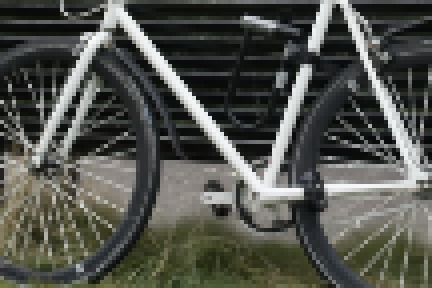
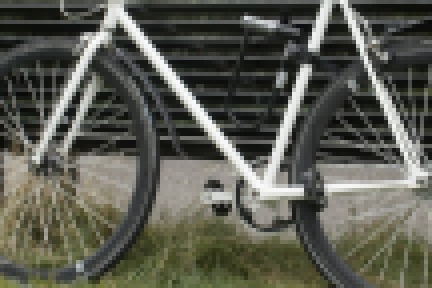
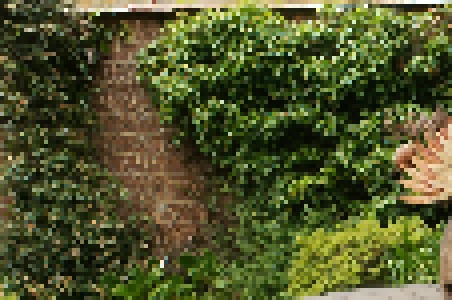
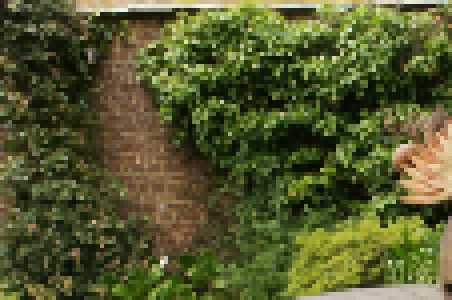
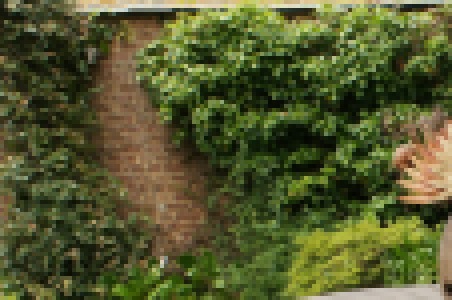
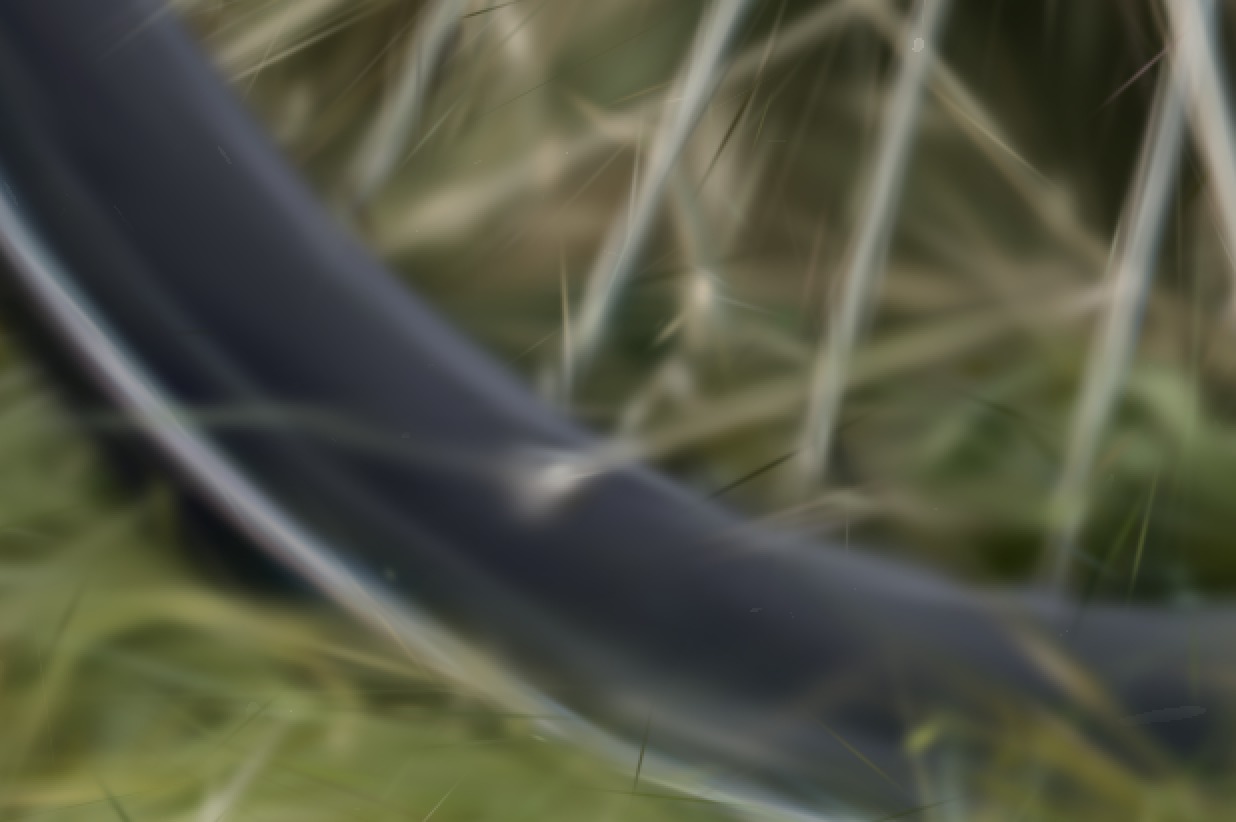
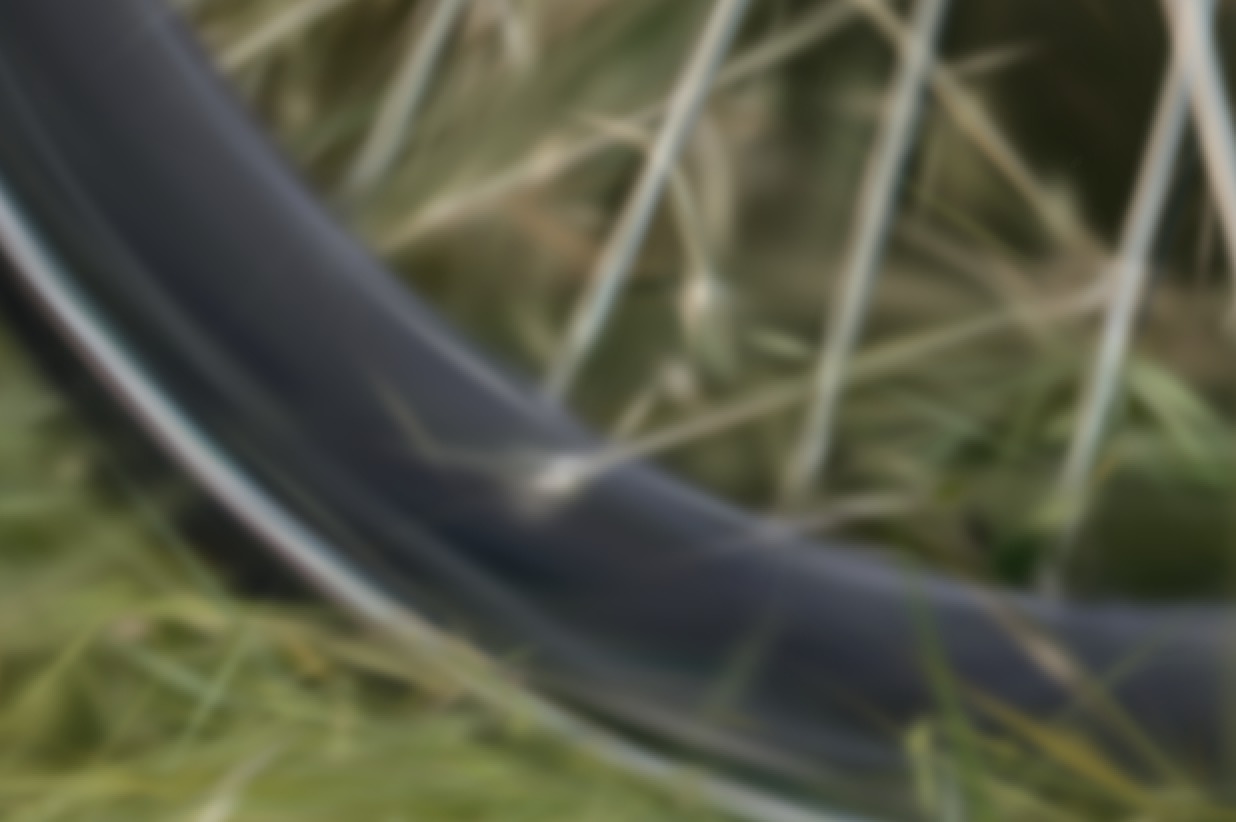
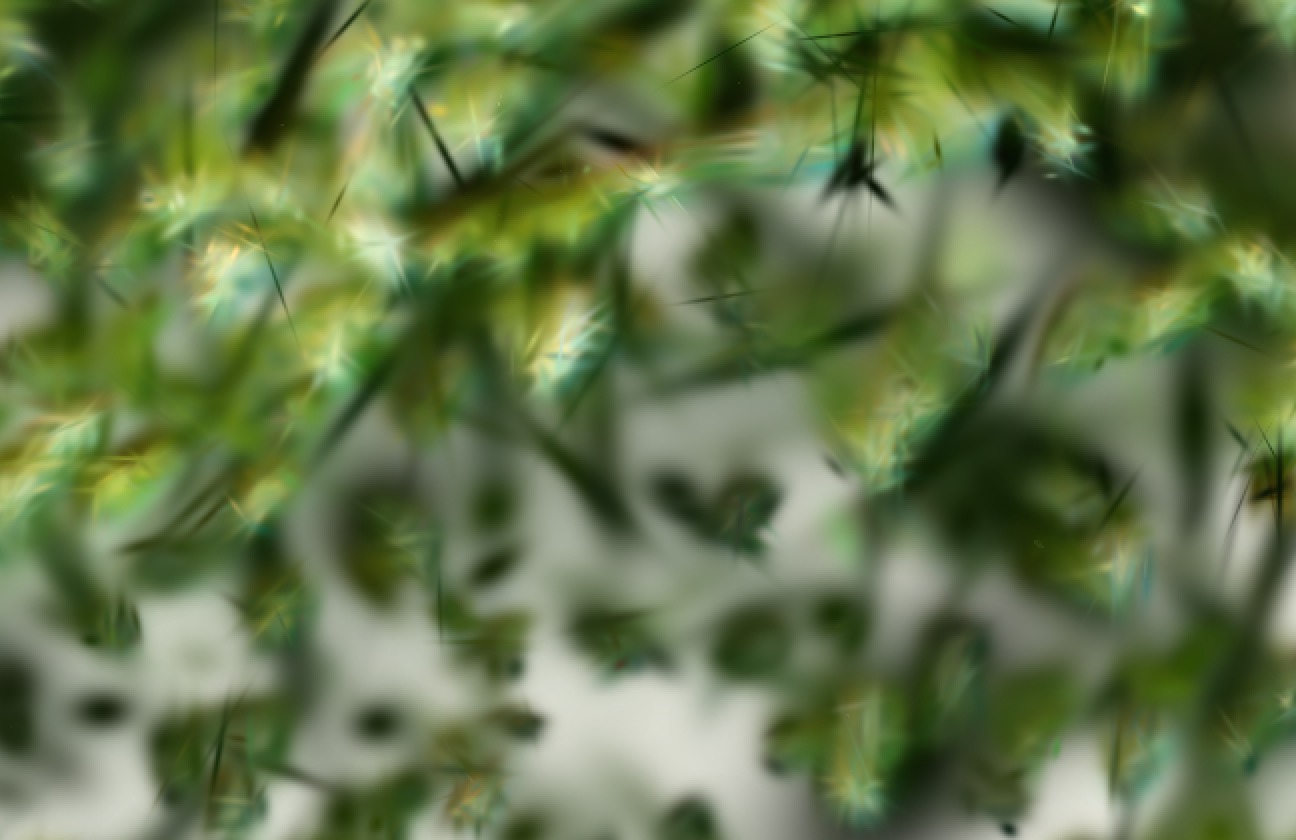
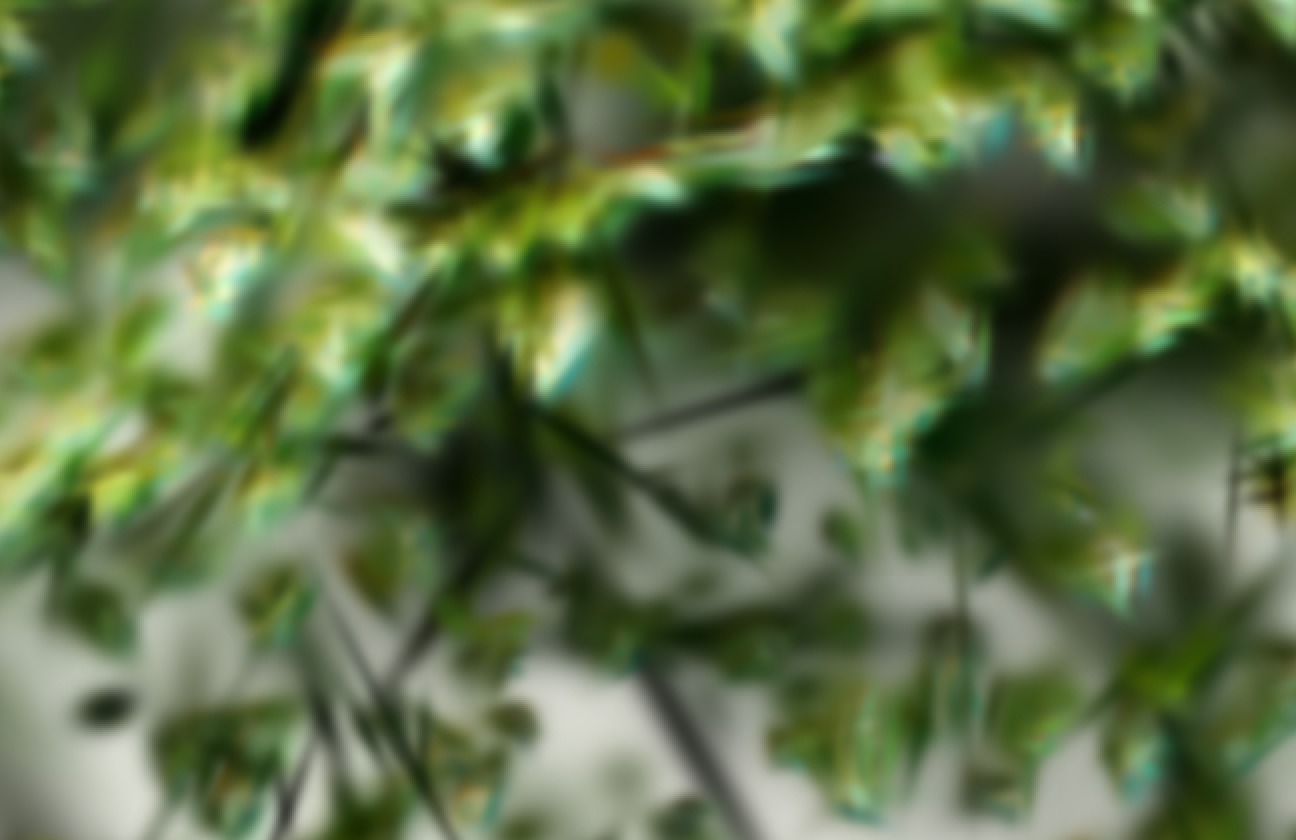
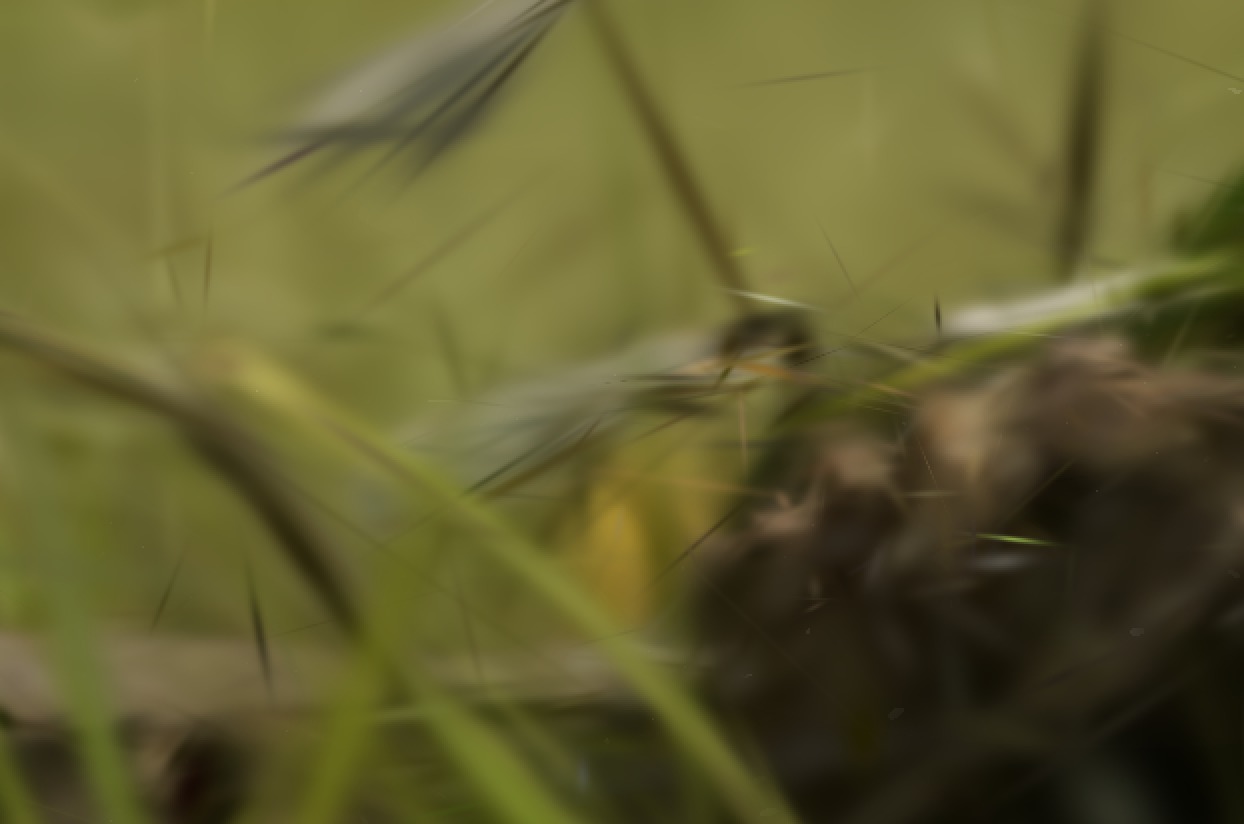
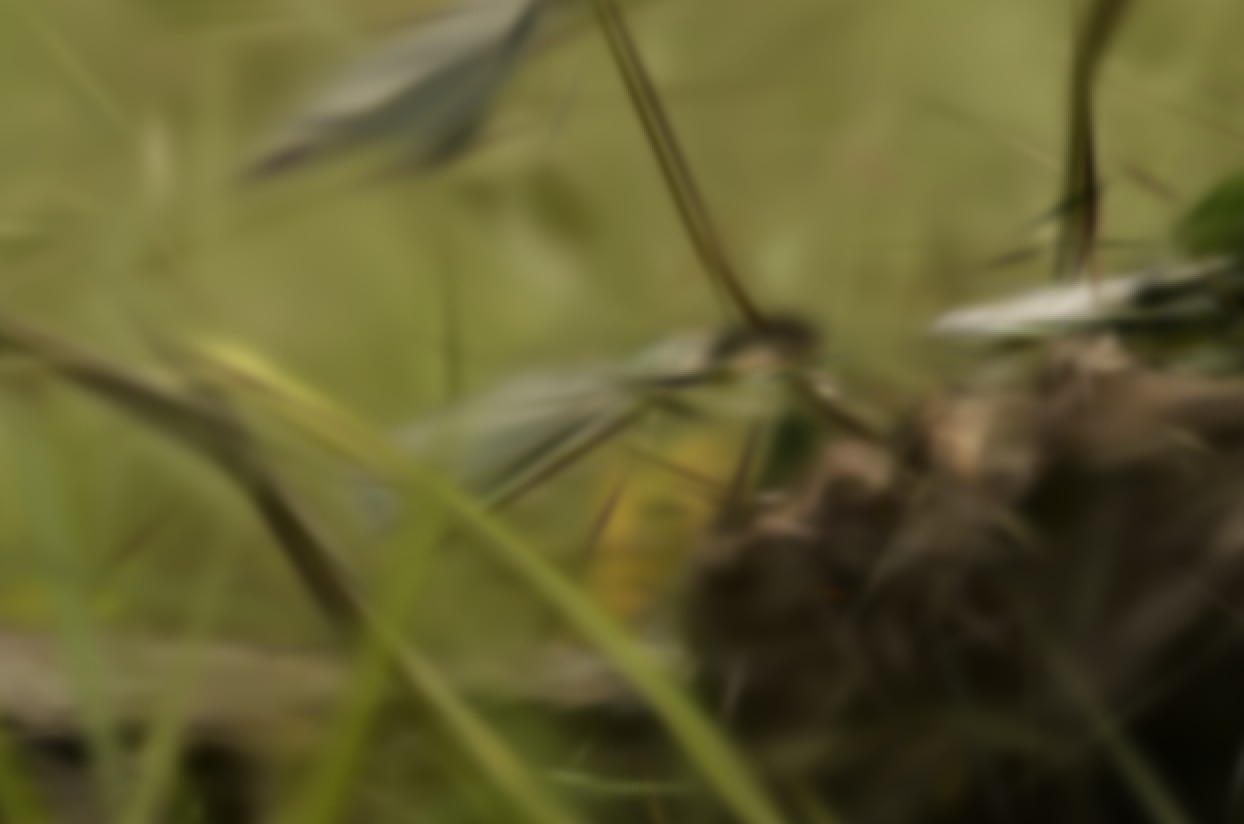
Mip-NeRF 360 bicycle, 3DGEER (left) vs. ConeGaussian (right).
First chapter: a natively trained pair zoomed out ×4 and orbited at wide field of view: the baseline's spokes and grass break into speckle, ours stays band-limited.
Second chapter: a pair trained at 1/8 resolution and magnified ×16 into the grass: the baseline exposes sub-pixel “needle” Gaussians, ours stays smooth. The inset magnifies a fixed world region at native render pixels.
TL;DR. A camera is a sampling operator that maps each finite pixel to a bundle of rays. ConeGaussian builds an anisotropic pixel footprint directly from the neighbouring rays of any calibrated central camera's inverse projection, filters the exact ray–Gaussian response with it in closed form, and derives a per-Gaussian training-frequency floor from the same geometry. One implementation gives anti-aliased zoom-out and artifact-free zoom-in for pinhole and strongly distorted fisheye cameras, and ports unchanged across two Gaussian ray-rendering backbones (3DGEER and 3DGUT).
Abstract
In rendering, a camera is a sampling operator that maps each finite pixel to a bundle of rays. Different camera models change the geometry of this bundle, thus making a unified and faithful rendering formulation challenging. Consequently, Gaussian ray tracing supports generic cameras (with optical center) through their inverse ray mappings, yet typically reduces every pixel to a single center ray. This ignores the camera-dependent pixel footprint, causing aliasing under minification, while unconstrained Gaussians expose unsupported frequencies under magnification. We present ConeGaussian, a camera-model-agnostic anti-aliasing framework for Gaussian ray-based rendering. Instead of defining the pixel filter on a camera-specific image plane, ConeGaussian constructs an anisotropic footprint directly from neighboring rays produced by the camera's native inverse mapping. We derive a closed-form response under a locally linear, depth-local, moment-matched approximation of the finite pixel footprint, while the same geometry defines a per-Gaussian training-frequency floor. Notably, by construction, our filtering principle can be used unmodified across calibrated central camera models and multiple Gaussian ray-rendering backbones. Additionally, unlike in Mip-Splatting, our scene-space frequency floor and filtering enable trivial composition at render time, allowing us to remove excess blurring. On pinhole and strongly distorted fisheye captures, ConeGaussian consistently improves two distinct ray-based backbones, by up to 4.3 dB at 1/8 resolution, and reduces fisheye LPIPS by 30% where perspective screen-plane footprint formulations are not directly applicable.
Method
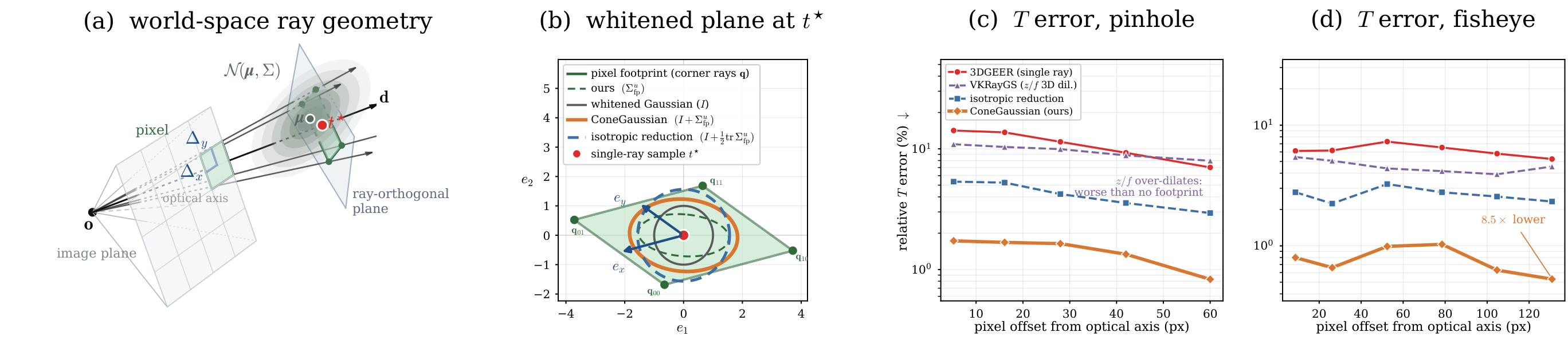
Original paper overview. Panel (b) independently centres covariance shapes; it is not the translated cross-section of panel (a). Panels (c, d) show the original illustrative sweeps, not the live slider settings. The interactive geometry below retains the ray–Gaussian offset and labels the coordinate space.
Build the footprint yourself interactive
Move the pixel across the sensor, switch the camera model or reshape the Gaussian. The 3D geometry and both rows of filters update together.
Filter covariance, drawn at sqrt(3) standard deviations on one shared scale, in the
.
Green: the pixel footprint; dots: exact sub-ray crossings.
Filtered Gaussian (coloured 1σ contour) around the whitened Gaussian (grey), with the footprint at the centre ray's offset.
3DGEER T = · error VKRayGS-style T = · error Isotropic reduction T = · error ConeGaussian T = · error
Results · zoom-out
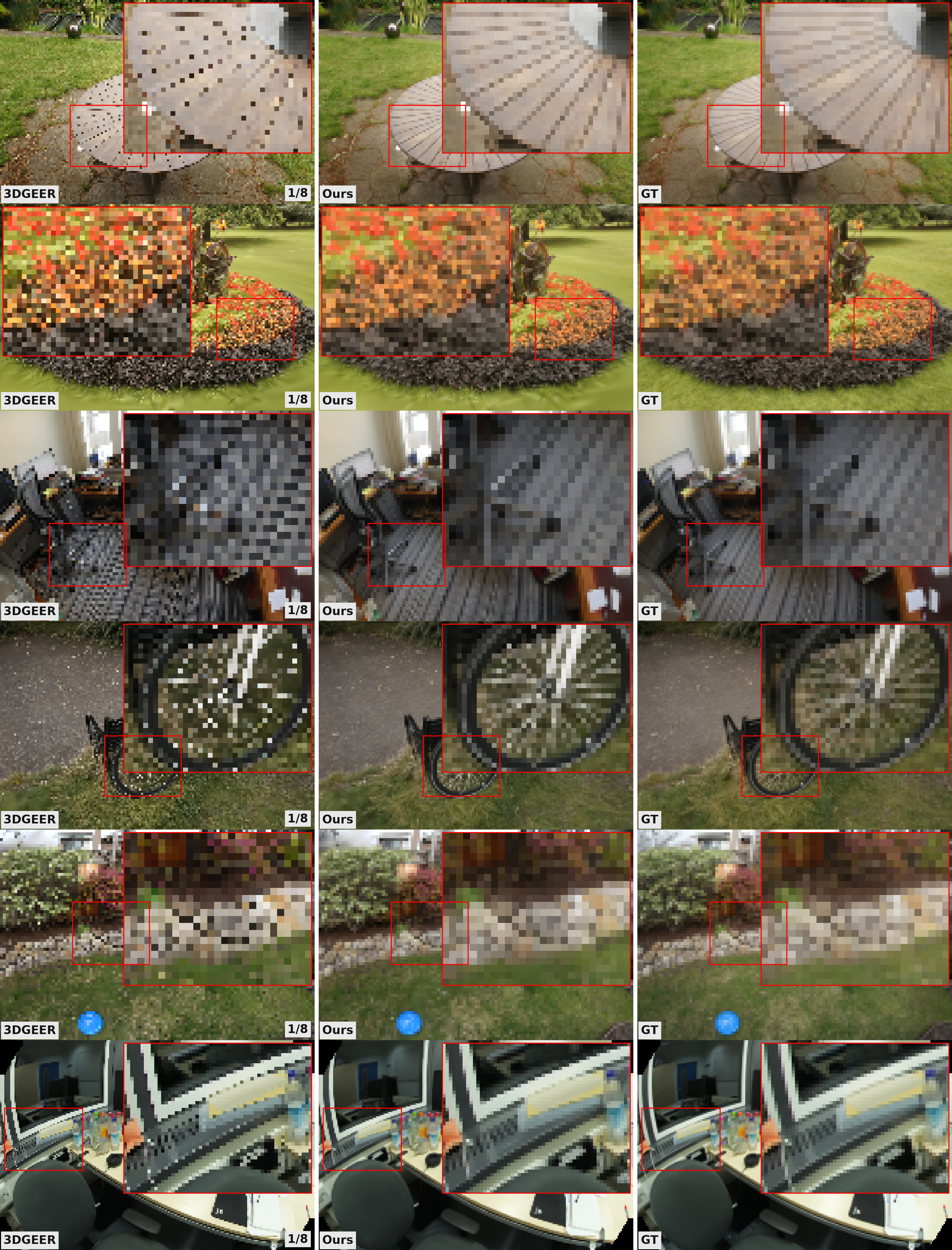
Zoom-out: minification without aliasing
3DGEERConeGaussian
Mip-NeRF 360 · bicyclepinhole · 19.1 → 22.7 dB (+3.7)
ground truth
3DGEERConeGaussian
Mip-NeRF 360 · gardenpinhole · 21.3 → 27.0 dB (+5.7)
ground truth
3DGEERConeGaussian
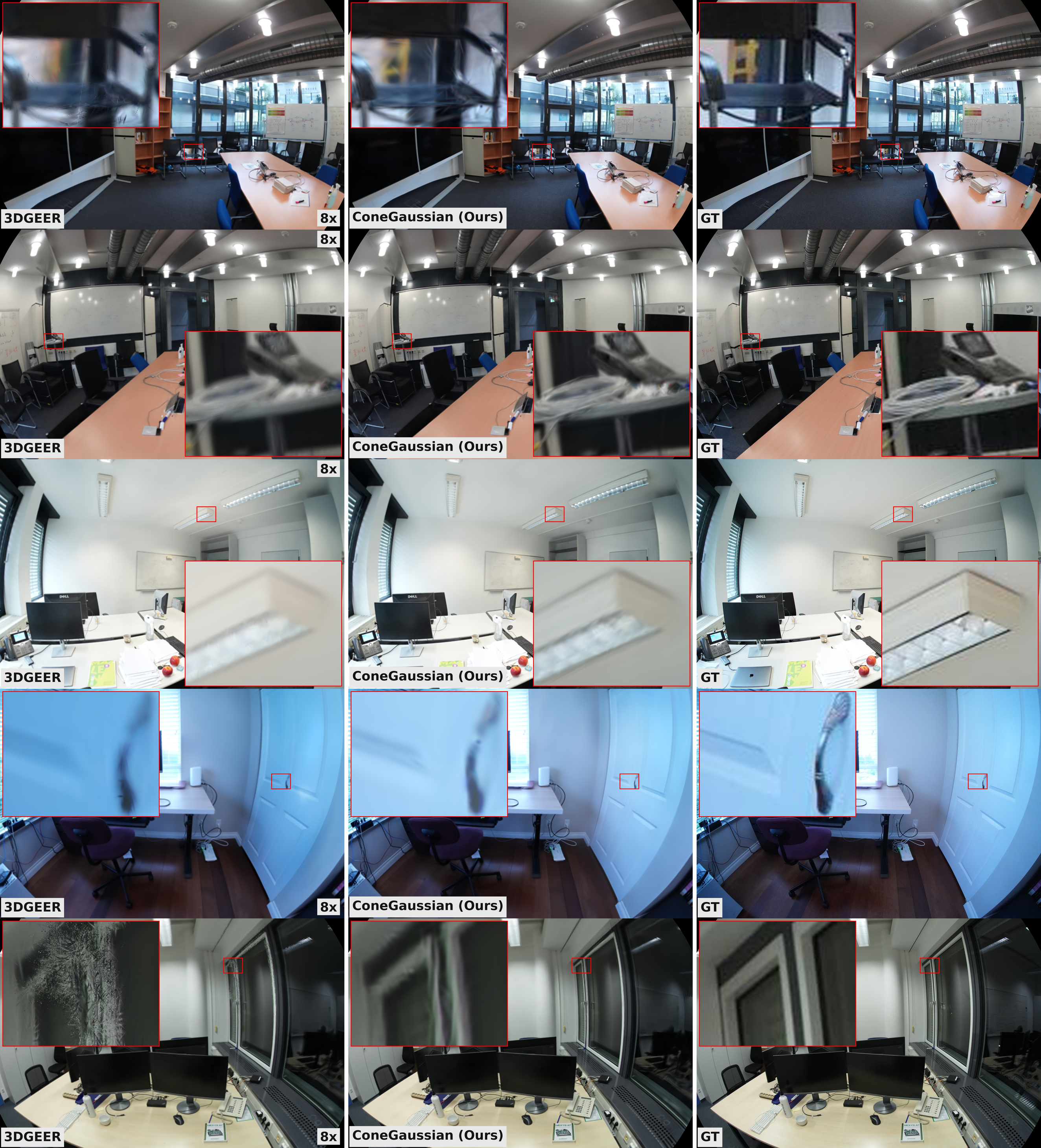
Zip-NeRF londonfisheye · 28.7 → 30.6 dB (+1.9)
ground truth
Results · zoom-in
Zoom-in: magnification without needle artifacts
3DGEERConeGaussian
bicyclegrass tuft at the front wheel
3DGEERConeGaussian
gardenhedge foliage
3DGEERConeGaussian
stumptall grass blades
One scene, any central camera
Performance in the wild own capture
Results · paper figures
Qualitative comparisons against ground truth
Choose Zoom-out or Zoom-in, then a scene, to compare 3DGEER → ConeGaussian → ground truth. The 6 zoom-out and 5 zoom-in comparisons are kept separate, with their original detail insets and scale labels. Scene/view names are descriptive because the source figures do not list scene IDs.
Zoom-out · 1/8 sampling rate. Select a scene below.
Every cell reads PSNR↑ / SSIM↑ / LPIPS↓. Real-scene benchmarks: ScanNet++ and Zip-NeRF (fisheye, metrics inside a 3-pixel-eroded valid-domain mask) and Mip-NeRF 360 (pinhole); every eighth image is held out. Zoom-in / zoom-out change only the image sampling resolution with consistently scaled calibration, never the optical zoom or the pose. Green = best, orange = second best per column and metric among the generalizable ray-based methods.
Multi-scale training and testing, two backbones
Dataset
Method
1
½
¼
⅛
Avg.
ScanNet++fisheye
3DGUT
29.33/.915/.248
30.38/.934/.193
31.47/.954/.112
30.24/.953/.078
30.36/.939/.158
ConeGaussian w. 3DGUT
29.67/.921/.239
30.61/.938/.185
31.66/.956/.108
31.65/.963/.059
30.90/.944/.148
3DGEER
27.59/.911/.257
28.53/.929/.202
28.53/.946/.123
28.02/.946/.084
28.17/.933/.167
ConeGaussian w. 3DGEER
27.65/.917/.243
28.29/.931/.189
29.27/.950/.111
29.93/.962/.052
28.78/.940/.149
Zip-NeRFfisheye
3DGUT
23.40/.781/.413
24.18/.835/.299
24.73/.867/.192
24.58/.865/.147
24.22/.837/.263
ConeGaussian w. 3DGUT
23.48/.791/.403
24.22/.840/.292
24.82/.871/.185
25.14/.880/.128
24.42/.845/.252
3DGEER
24.32/.806/.388
25.02/.854/.268
25.64/.893/.162
25.45/.895/.121
25.11/.862/.235
ConeGaussian w. 3DGEER
24.42/.815/.377
25.16/.860/.261
25.89/.898/.153
26.37/.915/.094
25.46/.872/.221
Mip-NeRF 360Pinhole
3DGS
26.55/.779/.274
28.00/.854/.162
28.51/.891/.102
27.45/.888/.087
27.63/.853/.156
Mip-Splatting†
27.20/.802/.244
28.74/.870/.146
29.90/.915/.090
30.66/.944/.056
29.12/.883/.134
Analytic-Splatting†
27.50/.808/.231
28.99/.874/.132
30.35/.919/.077
31.21/.945/.051
29.51/.887/.123
3DGUT
26.68/.768/.341
26.80/.788/.241
26.97/.823/.159
24.02/.716/.238
26.12/.774/.245
ConeGaussian w. 3DGUT
26.98/.782/.332
26.94/.798/.234
27.21/.831/.152
25.00/.762/.210
26.53/.793/.232
3DGEER
26.01/.739/.326
27.55/.820/.212
28.56/.880/.128
26.74/.860/.128
27.21/.825/.199
ConeGaussian w. 3DGEER
27.05/.792/.275
28.44/.841/.176
30.03/.905/.095
31.08/.945/.052
29.15/.871/.149
Multi-scale training and testing at {1, ½, ¼, ⅛}. PSNR↑ / SSIM↑ / LPIPS↓. Gray rows are author-reported, pinhole-only screen-space methods (3DGS rasterizer) that do not support generic cameras; green / orange mark the best / second-best generalizable ray-based method per column and metric.
Zoom-out (train native, render 1 → ⅛)
Dataset
Method
1
½
¼
⅛
Avg.
ScanNet++fisheye
3DGEER (baseline)
27.89/.921/.243
28.18/.930/.198
27.10/.930/.155
26.58/.918/.131
27.44/.925/.182
VKRayGS z/f
26.20/.919/.244
25.89/.922/.205
21.57/.885/.193
20.54/.833/.185
23.55/.890/.207
ConeGaussian (isotropic)
27.96/.921/.242
28.45/.932/.194
27.34/.937/.137
27.37/.938/.089
27.78/.932/.165
ConeGaussian (anisotropic)
27.97/.922/.239
28.45/.932/.193
28.25/.942/.128
27.93/.942/.079
28.15/.934/.160
Zip-NeRFfisheye
3DGEER (baseline)
24.13/.787/.409
24.92/.845/.278
25.87/.899/.150
25.82/.906/.104
25.19/.859/.235
VKRayGS z/f
23.37/.786/.406
24.61/.846/.276
26.00/.902/.148
25.92/.913/.092
24.97/.862/.230
ConeGaussian (isotropic)
24.16/.794/.401
25.01/.850/.271
25.97/.901/.148
26.41/.918/.089
25.39/.866/.227
ConeGaussian (anisotropic)
24.25/.795/.398
25.02/.851/.270
25.96/.901/.148
26.43/.919/.088
25.41/.867/.226
Mip-NeRF 360pinhole
3DGEER (baseline)
27.03/.797/.300
27.68/.832/.214
27.19/.836/.171
25.29/.784/.183
26.80/.812/.217
VKRayGS z/f
27.14/.798/.298
27.25/.832/.219
25.68/.839/.175
22.96/.786/.183
25.76/.814/.219
ConeGaussian (isotropic)
27.17/.799/.296
28.10/.843/.207
28.80/.884/.135
28.53/.903/.096
28.15/.857/.183
ConeGaussian (anisotropic)
27.11/.803/.296
28.06/.829/.206
28.87/.876/.131
28.67/.909/.087
28.18/.854/.180
Zoom-out (STMT): trained at native resolution, rendered at {1, ½, ¼, ⅛} without retraining. Isotropic / anisotropic rows differ only in footprint shape; the VKRayGS row re-implements only its paraxial z/f footprint sizing inside the same renderer.
Zoom-in (train at the lowest resolution, render ×1 → ×4)
Dataset
Method
×1
×2
×4
Avg.
Corner ×4
ScanNet++fisheye
3DGEER (baseline)
27.28/.944/.122
27.74/.918/.221
27.33/.895/.279
27.45/.919/.208
22.73/.871/–
3DGEER (+ Mip-Splatting floor)
29.49/.951/.111
27.19/.918/.216
27.25/.896/.272
27.98/.922/.200
22.40/.872/–
3DGEER (+ footprint floor)
28.73/.949/.112
28.13/.921/.213
27.42/.897/.271
28.09/.922/.199
22.82/.879/–
ConeGaussian (ours)
28.80/.950/.111
28.32/.924/.204
27.52/.900/.264
28.21/.925/.193
22.88/.879/–
Zip-NeRFfisheye
3DGEER (baseline)
25.87/.899/.150
24.92/.845/.278
24.13/.787/.409
24.97/.844/.279
21.72/.780/–
3DGEER (+ Mip-Splatting floor)
25.88/.899/.150
24.92/.845/.279
24.13/.787/.409
24.98/.844/.279
21.73/.779/–
3DGEER (+ footprint floor)
25.91/.900/.150
24.94/.845/.279
24.14/.787/.409
25.00/.844/.279
21.72/.780/–
ConeGaussian (ours)
25.96/.901/.148
25.02/.851/.270
24.25/.795/.398
25.08/.849/.272
21.74/.781/–
Mip-NeRF 360pinhole
3DGEER (baseline)
29.73/.898/.128
26.92/.790/.255
25.62/.720/.379
27.42/.803/.254
25.77/.718/–
3DGEER (+ Mip-Splatting floor)
29.93/.902/.125
27.03/.794/.252
25.74/.727/.372
27.57/.808/.250
25.94/.726/–
3DGEER (+ footprint floor)
30.05/.906/.118
27.11/.798/.243
25.77/.728/.365
27.64/.811/.242
25.96/.726/–
ConeGaussian (ours)
30.15/.907/.117
27.18/.802/.239
25.79/.731/.359
27.71/.813/.238
25.96/.729/–
Zoom-in: trained at the lowest resolution, rendered at ×1–×4. Corner ×4 is PSNR / SSIM over the normalized radial band r > 0.9 of the fisheye image.
Cross-camera rendering (ScanNet++)
Setting
Method
1
½
¼
⅛
Avg.
FH → PHfull img
3DGEER (baseline)
27.42/.935/.257
29.99/.940/.203
29.66/.941/.156
28.34/.930/.136
28.85/.936/.188
VKRayGS-insp. z/f dilation
26.99/.933/.253
28.50/.937/.202
25.73/.919/.172
23.02/.871/.172
26.06/.915/.200
ConeGaussian (ours)
27.38/.934/.255
30.14/.942/.199
30.28/.949/.135
29.56/.951/.083
29.34/.944/.168
PH → FHfull img
3DGEER (baseline)
27.01/.919/.234
27.47/.931/.185
27.53/.936/.139
26.66/.923/.120
27.17/.927/.169
ConeGaussian (ours)
27.01/.920/.230
27.47/.931/.181
27.69/.942/.124
27.02/.939/.077
27.30/.933/.153
PH → FHperipheral img
3DGEER (baseline)
23.82/.892/–
24.11/.897/–
24.32/.901/–
24.12/.890/–
24.09/.895/–
ConeGaussian (ours)
23.83/.893/–
24.15/.898/–
24.44/.907/–
24.36/.904/–
24.20/.900/–
Cross-camera rendering on ScanNet++ (FH = fisheye, PH = pinhole). FH→PH: trained on native fisheye views, rendered through the matched pinhole cameras without retraining; PH→FH is the reverse. Peripheral PSNR / SSIM over the radial band r > 0.7.
Citation
If you use ConeGaussian in your work, please cite our paper. The BibTeX below follows the public arXiv record.
@article{zhang2026conegaussian,
  title   = {ConeGaussian: Anti-Aliased Gaussian Ray-Tracing for Generic Central Cameras},
  author  = {Zhang, Deheng and Shi, Letian and Yang, Runyi and Li, Zhendong and Sun, Lei and
             Wu, Kanzhi and Chhatkuli, Ajad and Paudel, Danda Pani and Van Gool, Luc},
  journal = {arXiv preprint arXiv:2609.13397},
  year    = {2026},
  url     = {https://arxiv.org/abs/2609.13397}
}
 ConeGaussian